
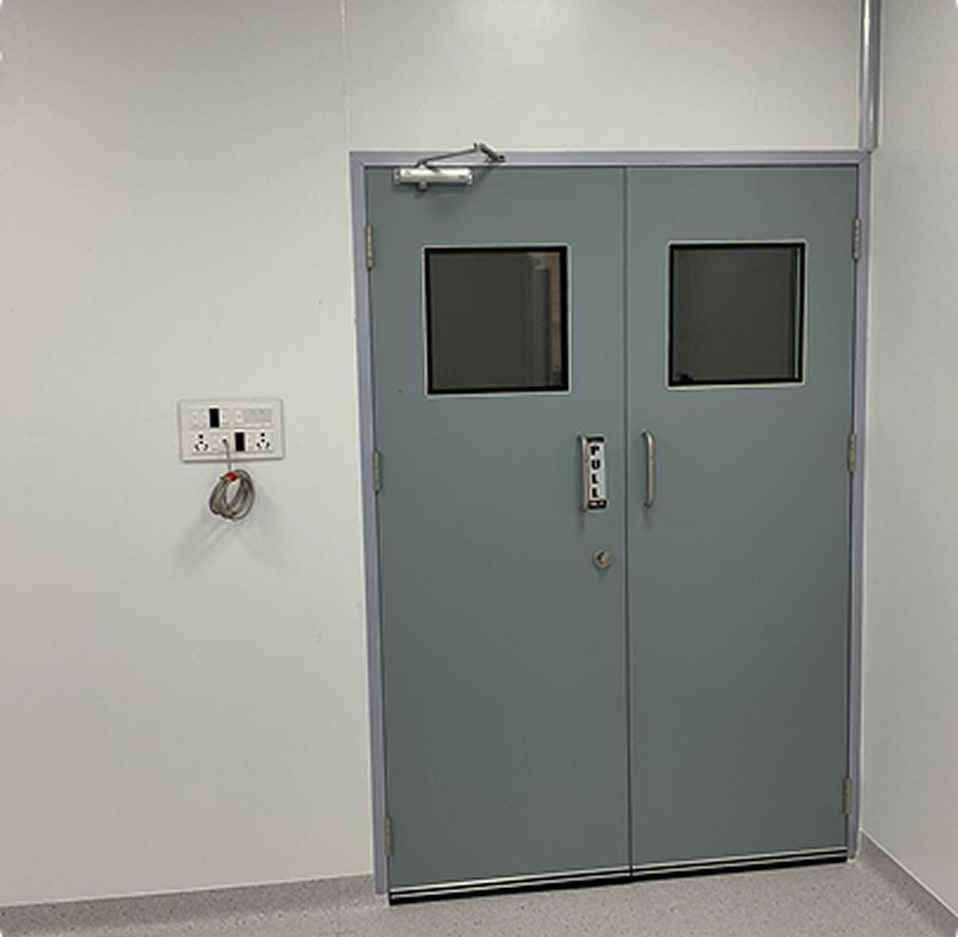
In modern healthcare infrastructure, maintaining a sterile and contamination-free environment is critical. While hospitals invest heavily in advanced surgical equipment and infection control systems, one crucial element often goes unnoticed — the Operation Theatre (OT) door design.
OT doors are not just entry and exit points. They play a major role in controlling contamination, maintaining air pressure, reducing infection risks, and ensuring smooth workflow inside surgical environments. Poorly designed OT doors can compromise hospital hygiene standards and increase the risk of Hospital-Acquired Infections (HAIs).
Why OT Door Design Matters in Hospitals
Operation theatres require controlled environments where airborne particles, bacteria, and external contaminants are minimized. Every structural component inside the OT contributes to infection control — including walls, flooring, HVAC systems, and especially doors.
A properly designed OT door helps:
- Maintain sterile air pressure
- Prevent microbial contamination
- Reduce dust accumulation
- Improve operational efficiency
- Enhance patient safety
- Support NABH & GMP compliance
In high-risk surgical areas, even minor contamination can lead to serious complications. That is why OT door engineering has become a vital part of modern hospital planning.
Key Hygiene Factors Influenced by OT Door Design
1. Air Tightness & Pressure Control
Operation theatres depend on controlled airflow systems like Laminar Air Flow and HVAC units to maintain positive pressure. This pressure prevents contaminated air from entering sterile zones.
Poorly sealed doors can:
- Cause air leakage
- Disturb airflow patterns
- Allow bacteria and dust to enter
- Reduce HVAC efficiency
Modern hermetically sealed OT doors are designed to create airtight closures that help maintain sterile pressure conditions consistently.
2. Smooth & Seamless Surfaces
Traditional doors often contain joints, grooves, and rough edges where dust and bacteria accumulate. Hygienic OT door designs use:
- Smooth flush surfaces
- Anti-bacterial coatings
- Seamless edges
- Non-porous materials
These features make cleaning and sanitization easier while minimizing microbial growth.
3. Touchless & Automatic Operation
Manual door handling increases the risk of cross-contamination because healthcare staff frequently touch handles during procedures.
Automatic sliding OT doors reduce physical contact and improve hygiene by:
- Minimizing touchpoints
- Ensuring faster movement
- Reducing contamination transfer
- Supporting sterile workflow
Sensor-based or elbow-operated systems are increasingly preferred in advanced healthcare facilities.
4. Material Selection for Infection Control
The material used in OT doors significantly affects hygiene standards.
Modern hospital OT doors are typically manufactured using:
- Stainless steel
- Powder-coated galvanized steel
- High-pressure laminate panels
- Anti-bacterial surface materials
These materials resist corrosion, moisture, chemical exposure, and microbial growth while offering long-term durability.
5. Easy Cleaning & Maintenance
Hospitals require frequent cleaning using strong disinfectants. OT doors must withstand:
- Chemical cleaning agents
- Continuous sanitization
- High humidity environments
- Repeated operational cycles
Poor-quality doors deteriorate quickly and become breeding grounds for contaminants. High-performance OT doors are designed for easy maintenance and long-term hygiene performance.
6. Noise Reduction & Controlled Access
OT doors also contribute to controlled environments by:
- Reducing external noise
- Preventing unnecessary movement
- Restricting unauthorized access
- Supporting surgical concentration
Automatic sliding systems ensure smoother and quieter operation compared to conventional swing doors.
Compliance & Healthcare Standards
Modern OT doors are designed to comply with healthcare and pharmaceutical standards such as:
- NABH Guidelines
- GMP Requirements
- ISO Cleanroom Standards
- Infection Control Protocols
Hospitals increasingly prioritize compliant infrastructure to improve patient safety and accreditation readiness.
Common Mistakes Hospitals Make While Choosing OT Doors
Many healthcare facilities focus only on aesthetics or pricing, ignoring critical hygiene-related factors.
Common mistakes include:
- Choosing non-hermetic doors
- Using poor-quality materials
- Ignoring air leakage issues
- Installing difficult-to-clean surfaces
- Selecting doors without automation
These decisions can increase contamination risks and operational costs over time.
The Future of Hygienic OT Door Systems
Healthcare infrastructure is rapidly evolving toward smarter and more sterile environments. Modern OT door innovations include:
- Sensor-based automation
- Integrated access control systems
- Anti-microbial coatings
- Fire-rated hygienic doors
- Smart pressure monitoring integration
As hospitals continue prioritizing infection prevention, advanced OT door systems will become a standard requirement rather than a luxury.
Conclusion
Hospital hygiene standards depend on much more than cleaning protocols. Infrastructure design plays a direct role in infection control, and OT doors are a critical part of that ecosystem.
From maintaining sterile air pressure to reducing contamination risks, modern OT door systems significantly improve surgical safety and operational efficiency. Investing in high-quality, hygienic OT doors helps hospitals create safer environments for both patients and healthcare professionals.
Healthcare facilities planning modern operation theatres should prioritize door systems that combine durability, automation, airtight sealing, and easy maintenance to meet the growing demands of infection-controlled environments.
For advanced hygienic infrastructure solutions, hospitals increasingly rely on experienced manufacturers like AUM Industries specializing in modular OT and cleanroom solutions.
Add a Comment