
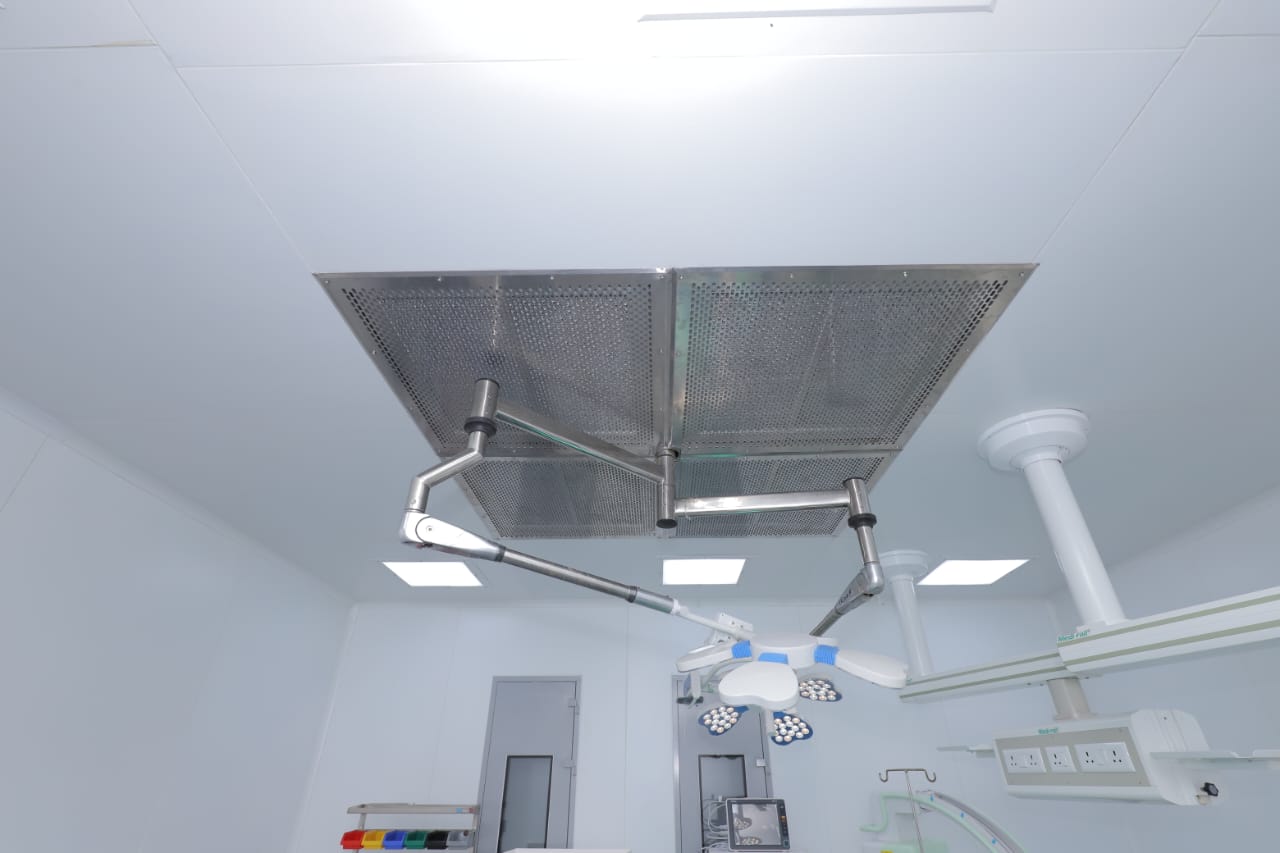
In industries where cleanliness and contamination control are critical, maintaining controlled airflow is essential. Even microscopic airborne particles can affect product quality, patient safety, and manufacturing standards in environments such as pharmaceutical facilities, hospitals, laboratories, and cleanrooms.
This is where Laminar Air Flow (LAF) systems play an important role.
What Is Laminar Air Flow?
Laminar Air Flow is a controlled ventilation system designed to move filtered air in a uniform direction at a constant speed. Unlike regular airflow, laminar airflow minimizes turbulence and prevents airborne particles from spreading unpredictably within a controlled environment.
The primary objective of LAF systems is to create a cleaner and safer working zone by continuously removing contaminants from critical areas.
Why Airborne Contamination Is a Serious Concern
Airborne contamination can originate from:
- Dust particles
- Human movement
- Equipment vibration
- Microorganisms
- Improper ventilation
- Open material handling
In sensitive environments such as operation theatres, pharmaceutical production units, and cleanrooms, these particles can compromise hygiene standards, product integrity, and operational safety.
Even minor contamination may lead to:
- Product rejection
- Sterility failure
- Infection risks
- Compliance issues
- Increased maintenance costs
How Laminar Air Flow Systems Work
Laminar Air Flow systems use high-efficiency filtration and controlled airflow patterns to maintain clean environments.
The process generally includes:
- Air intake from the surrounding environment
- Filtration through pre-filters and HEPA filters
- Uniform airflow distribution
- Continuous removal of airborne particles
HEPA filters are highly effective in trapping microscopic contaminants before clean air enters the workspace.
The filtered air moves in parallel layers, reducing turbulence and preventing contaminants from circulating within the area.
Types of Laminar Air Flow Systems
Horizontal Laminar Air Flow
In horizontal systems, filtered air moves horizontally from the back of the unit toward the operator.
These systems are commonly used in:
- Pharmaceutical processes
- Laboratory workstations
- Electronic assembly areas
Vertical Laminar Air Flow
In vertical systems, filtered air flows downward from the top of the unit toward the working surface.
These are preferred in:
- Operation theatres
- Sterile manufacturing
- Medical environments
- Cleanroom applications
Benefits of Laminar Air Flow Systems
Improved Contamination Control
LAF systems significantly reduce airborne particles and microbial contamination.
Better Product Protection
Controlled airflow helps maintain product quality in sensitive manufacturing environments.
Enhanced Sterility
Sterile zones remain cleaner and safer for medical and pharmaceutical operations.
Compliance Support
Laminar airflow systems help industries meet GMP, ISO, and healthcare hygiene standards.
Consistent Air Quality
Continuous filtered airflow maintains stable environmental conditions.
Applications of Laminar Air Flow
Laminar Air Flow systems are widely used in:
- Pharmaceutical manufacturing units
- Modular operation theatres
- Hospitals & ICUs
- Biotechnology laboratories
- Cleanrooms
- Research facilities
- Food processing industries
- Electronics manufacturing
Importance of Proper Maintenance
Regular maintenance is necessary for effective contamination control. Poorly maintained systems may reduce filtration efficiency and airflow performance.
Key maintenance practices include:
- Timely HEPA filter replacement
- Air velocity testing
- Cleaning internal surfaces
- Monitoring pressure differentials
- Periodic validation checks
Conclusion
Laminar Air Flow systems are essential for maintaining contamination-free environments in critical industries. By delivering filtered air in a controlled and uniform manner, these systems help reduce airborne particles, improve sterility, and support operational safety.
As industries continue prioritizing hygiene, compliance, and product quality, laminar airflow remains one of the most reliable solutions for airborne contamination control.
Add a Comment