
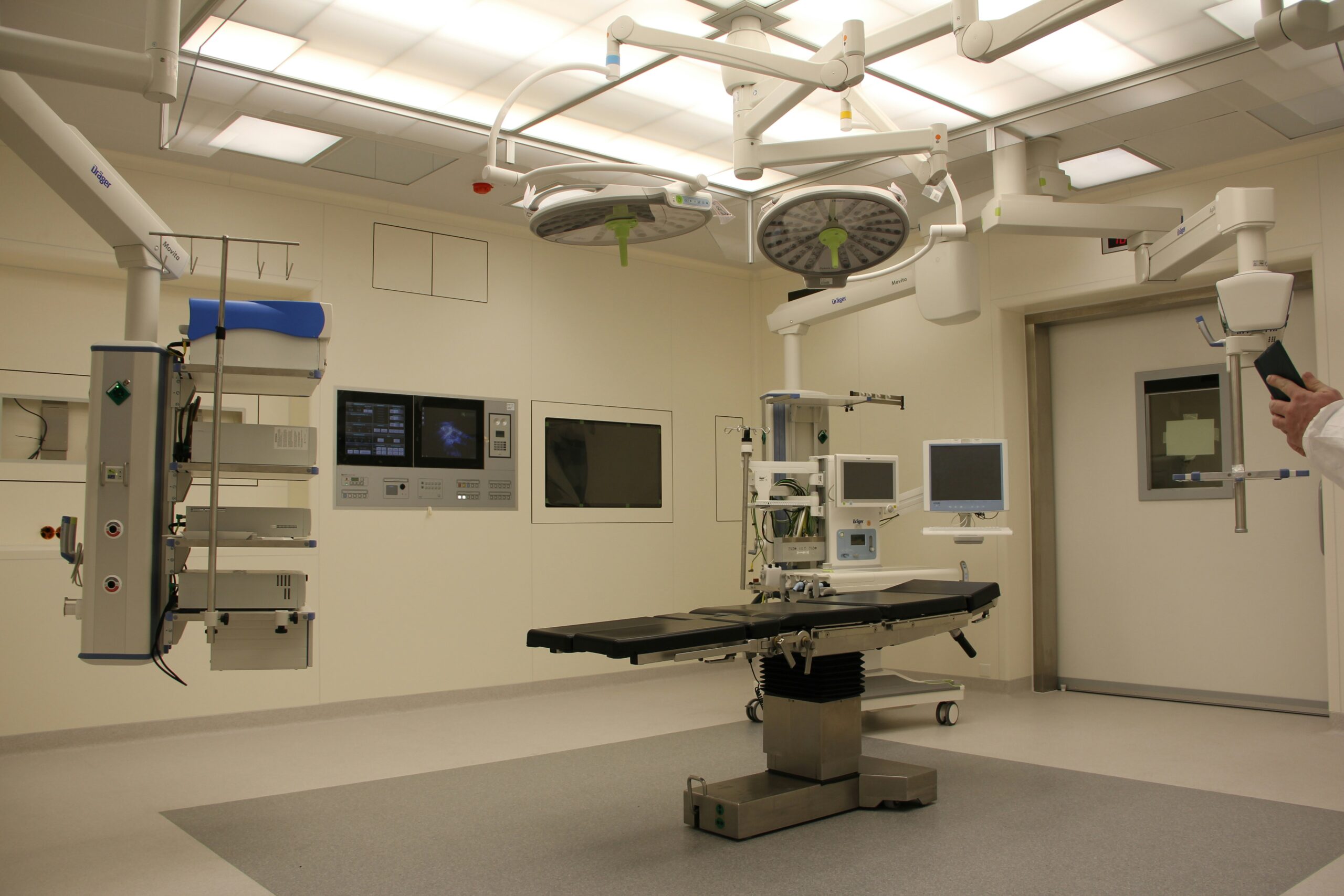
In industries like pharmaceuticals, healthcare, and biotechnology, a cleanroom isn’t just a controlled space—it’s the foundation of product quality, patient safety, and regulatory compliance.
Even the most advanced cleanroom setups can fail if contamination risks are not properly understood and managed. A single lapse can lead to product rejection, financial loss, or even serious health consequences.
So, where does contamination actually come from—and how can it be prevented?
Let’s break it down.
What is Cleanroom Contamination?
Cleanroom contamination refers to the presence of unwanted particles, microorganisms, or pollutants that compromise the controlled environment.
These contaminants can be visible (dust, fibers) or invisible (bacteria, airborne particles)—and both can be equally harmful.
🚨 Common Cleanroom Contamination Risks
1. Human Contamination (Biggest Risk Factor)
Humans are the largest source of contamination in any cleanroom.
Every person sheds:
- Skin particles
- Hair
- Microorganisms
- Clothing fibers
Even simple movements like walking or talking can release thousands of particles.
Prevention:
- Strict gowning protocols
- Use of cleanroom garments (coveralls, gloves, masks)
- Proper training & restricted personnel access
2. Poor Air Filtration & HVAC Issues
Airborne particles are one of the most critical contamination sources.
If your AHU or filtration system is not properly designed or maintained:
- Dust and microbes circulate freely
- Pressure imbalance causes contamination entry
Prevention:
- HEPA/ULPA filters
- Regular HVAC maintenance
- Proper Air Changes Per Hour (ACH)
- Laminar Air Flow systems for critical zones
3. Inadequate Cleanroom Design
Design flaws can silently increase contamination risk.
Common issues:
- Hard-to-clean corners
- Improper material selection
- Leakage points in panels or doors
Prevention:
- Use modular, seamless panels
- Install aluminium coving for smooth edges
- Ensure airtight cleanroom flush doors
- Follow ISO cleanroom design standards
4. Equipment & Material Contamination
Machines, tools, and raw materials entering the cleanroom can carry contaminants.
Prevention:
- Use pass boxes for material transfer
- Regular equipment cleaning & validation
- Dedicated cleanroom tools only
5. Improper Cleaning & Maintenance
Even a well-designed cleanroom fails without proper cleaning protocols.
Prevention:
- Scheduled cleaning SOPs
- Use of approved disinfectants
- Trained housekeeping staff
- Routine monitoring & audits
6. Pressure Imbalance
Cleanrooms rely heavily on pressure differentials to control contamination flow.
If pressure is not maintained:
- Contaminants can enter from uncontrolled areas
Prevention:
- Maintain positive/negative pressure as required
- Install pressure monitoring systems
- Regular system calibration
7. Poor Workflow & Movement Control
Uncontrolled movement of people and materials can disrupt cleanroom conditions.
Prevention:
- Defined entry/exit points
- Unidirectional workflow
- Separate personnel & material flow paths
🛡️ Best Practices for Long-Term Contamination Control
To maintain a truly controlled environment, businesses must go beyond basic precautions:
- Invest in turnkey cleanroom solutions
- Ensure regular validation & monitoring
- Train staff continuously
- Use high-quality infrastructure components
- Partner with experienced cleanroom experts
💡 Why It Matters for Your Business
Ignoring contamination risks can lead to:
- Product recalls
- Regulatory non-compliance
- Loss of client trust
- Financial setbacks
On the other hand, a well-designed and maintained cleanroom ensures:
- Consistent product quality
- Higher operational efficiency
- Compliance with global standards
🚀 How AUM Industries Helps
At AUM Industries, we design and deliver end-to-end cleanroom solutions that minimize contamination risks from day one.
From:
- Cleanroom panels & flush doors
- AHU & HVAC systems
- Laminar airflow solutions
- Turnkey project execution
—we ensure every detail is engineered for maximum control, safety, and compliance.
📌 Final Thoughts
Cleanroom contamination isn’t always visible—but its impact can be massive.
The key lies in proactive design, strict protocols, and the right infrastructure partner.
If your cleanroom is not optimized for contamination control, it’s not truly a cleanroom.
Add a Comment