
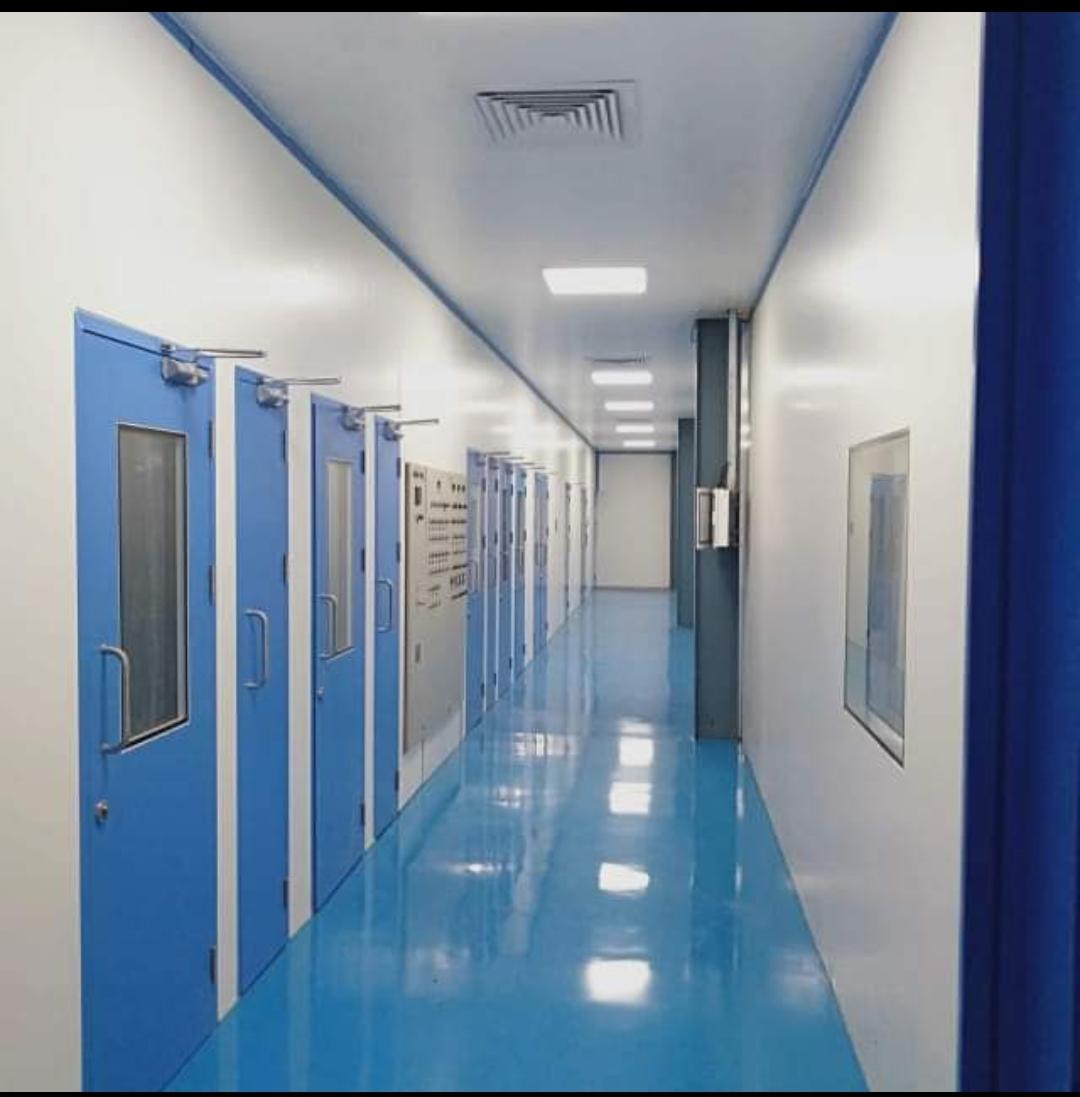
In modern healthcare infrastructure, precision and safety are not optional — they are mandatory. Operation Theatres are highly controlled environments where sterility, accessibility, and long-term durability directly impact patient safety and surgical outcomes. One of the most important yet often overlooked components of a well-designed Modular OT is the Walk-On Ceiling system.
A walk-on ceiling is exactly what the name suggests — a specially engineered ceiling strong enough to allow maintenance personnel to walk over it safely. But beyond just load-bearing strength, it plays a crucial role in maintaining hygiene standards, simplifying maintenance, and improving overall OT efficiency.
At AUM Industries, we design and execute walk-on ceiling systems as part of our turnkey Modular OT solutions, ensuring compliance with healthcare infrastructure standards and long-term operational reliability.
What Is a Walk-On Ceiling in an Operation Theatre?
A walk-on ceiling is a structural ceiling system installed in operation theatres that allows safe access for servicing lights, HEPA filters, ducts, electrical systems, and medical gas pipelines. Unlike conventional false ceilings, these are reinforced to handle human weight and are integrated seamlessly with the OT’s sterile environment.
In critical hospital areas where downtime is not acceptable, a walk-on ceiling ensures that maintenance work can be performed without damaging structural components or disrupting sterile conditions.
Key Features of Walk-On Ceiling Systems
The primary feature of a walk-on ceiling is its structural strength. It is designed using high-quality materials such as powder-coated galvanized steel or aluminum frameworks that can withstand load while maintaining stability.
The surface finish is smooth and seamless, which helps prevent dust accumulation and microbial growth. Since sterility is the foundation of any OT, the materials used are non-porous, corrosion-resistant, and easy to clean.
These ceilings are integrated with lighting systems, laminar airflow units, HEPA filters, and other OT utilities. The design ensures precise alignment and airtight sealing to maintain positive pressure and air quality standards inside the operation theatre.
Another important feature is accessibility. Walk-on ceilings allow technicians to access utilities from the top side, minimizing disturbance within the sterile surgical zone.
Advantages of Installing a Walk-On Ceiling in OT
One of the biggest advantages is improved maintenance efficiency. Hospitals require regular servicing of air handling units, filters, and lighting fixtures. With a walk-on ceiling, maintenance teams can access systems from above without dismantling interior components or contaminating the OT environment.
It significantly enhances structural safety. Traditional ceilings are not designed to bear weight, increasing the risk of accidental damage during servicing. A reinforced walk-on ceiling eliminates this risk and ensures safe working conditions for technicians.
Infection control is another major benefit. Because the ceiling panels are sealed and smooth, they reduce contamination risks. The system supports proper airflow distribution, which is critical for laminar airflow performance and maintaining sterile conditions.
Durability and long-term cost savings also make it a smart investment. Though the initial cost may be slightly higher than conventional ceiling systems, the reduced maintenance damage and longer lifespan provide better long-term returns.
From a compliance perspective, walk-on ceilings support NABH and other healthcare infrastructure standards by ensuring safe design, accessibility, and hygienic performance.
Why Walk-On Ceilings Are Essential in Modern Modular OTs
As hospitals move toward modular and prefabricated OT designs, integrated ceiling systems are becoming standard practice. A walk-on ceiling ensures that infrastructure planning is future-ready. With increasing complexity of medical equipment and HVAC systems, hospitals need ceiling systems that can support both structural load and technical integration.
In high-precision environments such as cardiac OTs, transplant units, and advanced surgical centers, even minor disruptions can cause operational delays. A walk-on ceiling minimizes downtime and allows smoother facility management.
AUM Industries: Integrated OT Ceiling Solutions
At AUM Industries, we specialize in turnkey Modular OT projects including walk-on ceiling systems, laminar airflow units, AHUs, clean room panels, flush doors, and sterile flooring solutions. Our engineering approach ensures structural integrity, compliance, and seamless integration with the entire OT ecosystem.
We understand that hospital infrastructure is not just about construction — it is about creating safe surgical environments where performance and precision matter every day.
Conclusion
A walk-on ceiling in an operation theatre is more than a structural component. It is a strategic investment in safety, hygiene, maintenance efficiency, and long-term reliability. As healthcare infrastructure standards continue to evolve, advanced ceiling systems are becoming an essential part of modern Modular OT design.
Choosing the right infrastructure partner ensures that every element — from the ceiling to the flooring — works together to create a safe and sterile surgical space.
If you are planning a Modular OT or upgrading existing hospital infrastructure, partnering with experienced turnkey specialists can make all the difference.
Add a Comment