
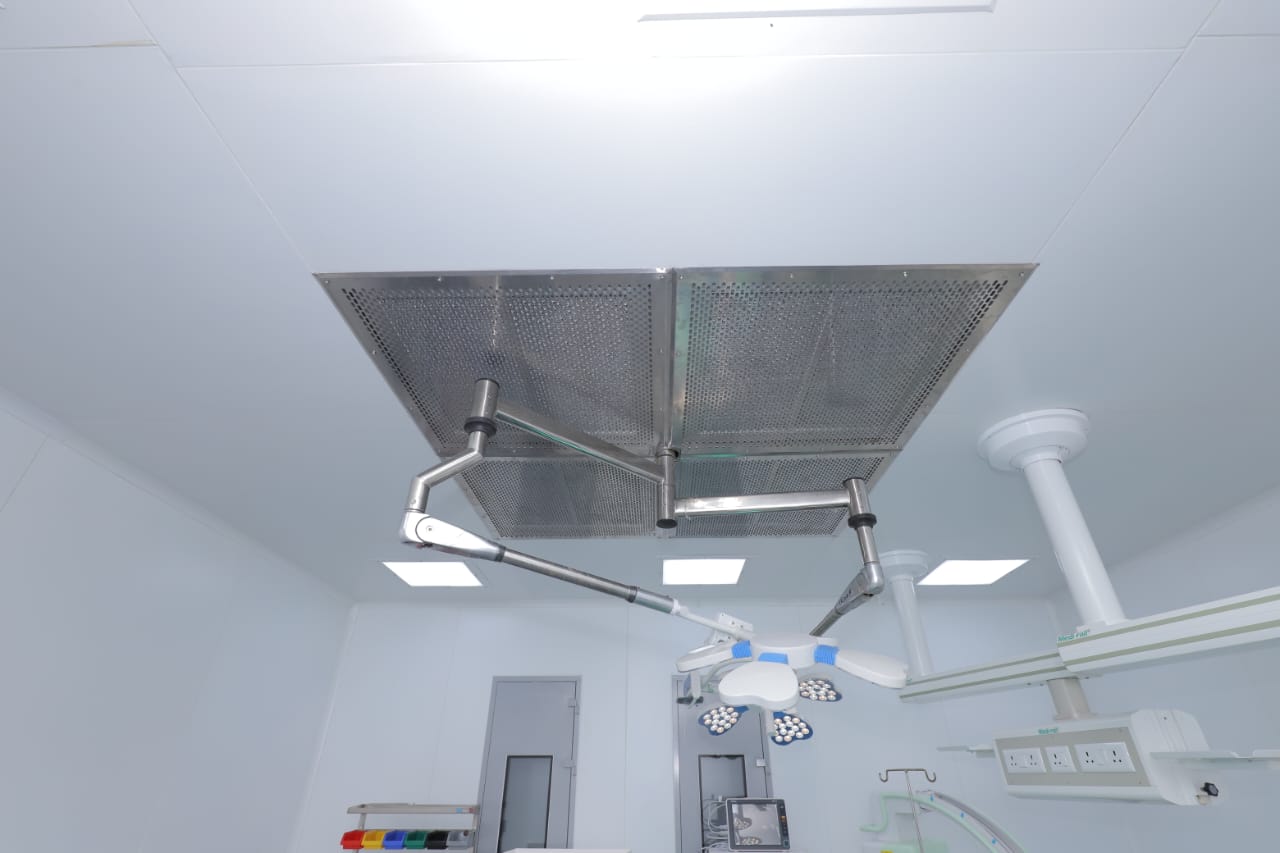
Modern operation theatres are designed with one primary goal — to create the safest possible environment for surgery. While advanced surgical equipment and skilled doctors play a crucial role, the quality of air inside the OT is just as important. This is where Laminar Air Flow (LAF) systems become essential.
Laminar airflow systems are engineered to minimize airborne contamination and maintain sterile conditions, making them a critical component of today’s modular operation theatres.
What Is Laminar Air Flow in an Operation Theatre?
Laminar air flow refers to a controlled, unidirectional movement of filtered air that flows uniformly across the surgical area. Unlike conventional ventilation systems that circulate air in multiple directions, laminar airflow moves in a smooth, parallel stream, usually from the ceiling downwards over the operating table.
This continuous flow of ultra-clean air pushes contaminants away from the surgical site and directs them toward exhaust outlets, significantly reducing the risk of airborne infection.
How Laminar Air Flow Reduces Surgical Infections
Surgical Site Infections (SSIs) are one of the major concerns in healthcare facilities. Microorganisms present in the air can enter open wounds during procedures, leading to complications, delayed healing, and longer hospital stays.
Laminar airflow systems help reduce this risk by: Maintaining a constant supply of HEPA-filtered sterile air, controlling particle count within permissible limits, and preventing turbulence that may carry contaminated air into the sterile field. By creating a protective air curtain over the operating area, LAF systems form a barrier against airborne bacteria and dust particles.
Role of HEPA Filters in Laminar Air Flow
At the heart of every laminar airflow system are High Efficiency Particulate Air (HEPA) filters. These filters are capable of removing at least 99.97% of airborne particles as small as 0.3 microns, including bacteria and fungal spores.
When integrated into OT ceilings, HEPA filters ensure that only purified air enters the surgical zone. This high level of filtration is crucial for procedures such as orthopaedic, cardiac, transplant, and neurosurgeries where infection risks must be kept to an absolute minimum.
Laminar Air Flow vs Conventional OT Ventilation
Traditional ventilation systems rely on turbulent airflow, which mixes clean and contaminated air within the room. This mixing effect increases the chance that harmful particles may reach the surgical site.
In contrast, laminar airflow provides a steady downward stream of clean air that continuously flushes out contaminants. This controlled airflow pattern creates a more predictable and sterile environment, making it the preferred choice for modern operation theatres.
Compliance with Healthcare Standards
Laminar airflow systems also help hospitals meet important infection control and accreditation requirements. Healthcare standards and guidelines emphasize the need for controlled air quality, proper filtration, and adequate air changes per hour in operation theatres.
Installing a well-designed laminar airflow system supports compliance with NABH and other healthcare quality frameworks, while also improving patient safety outcomes.
Integration with Modular Operation Theatre Design
In modular OTs, laminar airflow systems are seamlessly integrated with ceiling panels, surgical lights, and return air grilles. Proper design ensures that the airflow fully covers the operating table without obstruction.
This integration enhances not only sterility but also temperature control and overall comfort for surgeons and OT staff during long procedures.
Why It Truly Matters
Laminar airflow is not just an optional upgrade — it is a critical investment in patient safety. By reducing airborne contamination, supporting infection control protocols, and ensuring regulatory compliance, LAF systems directly contribute to better surgical outcomes.
For hospitals aiming to deliver world-class surgical care, installing a high-performance laminar airflow system in operation theatres is a step toward safer, more reliable healthcare infrastructure.
Add a Comment