
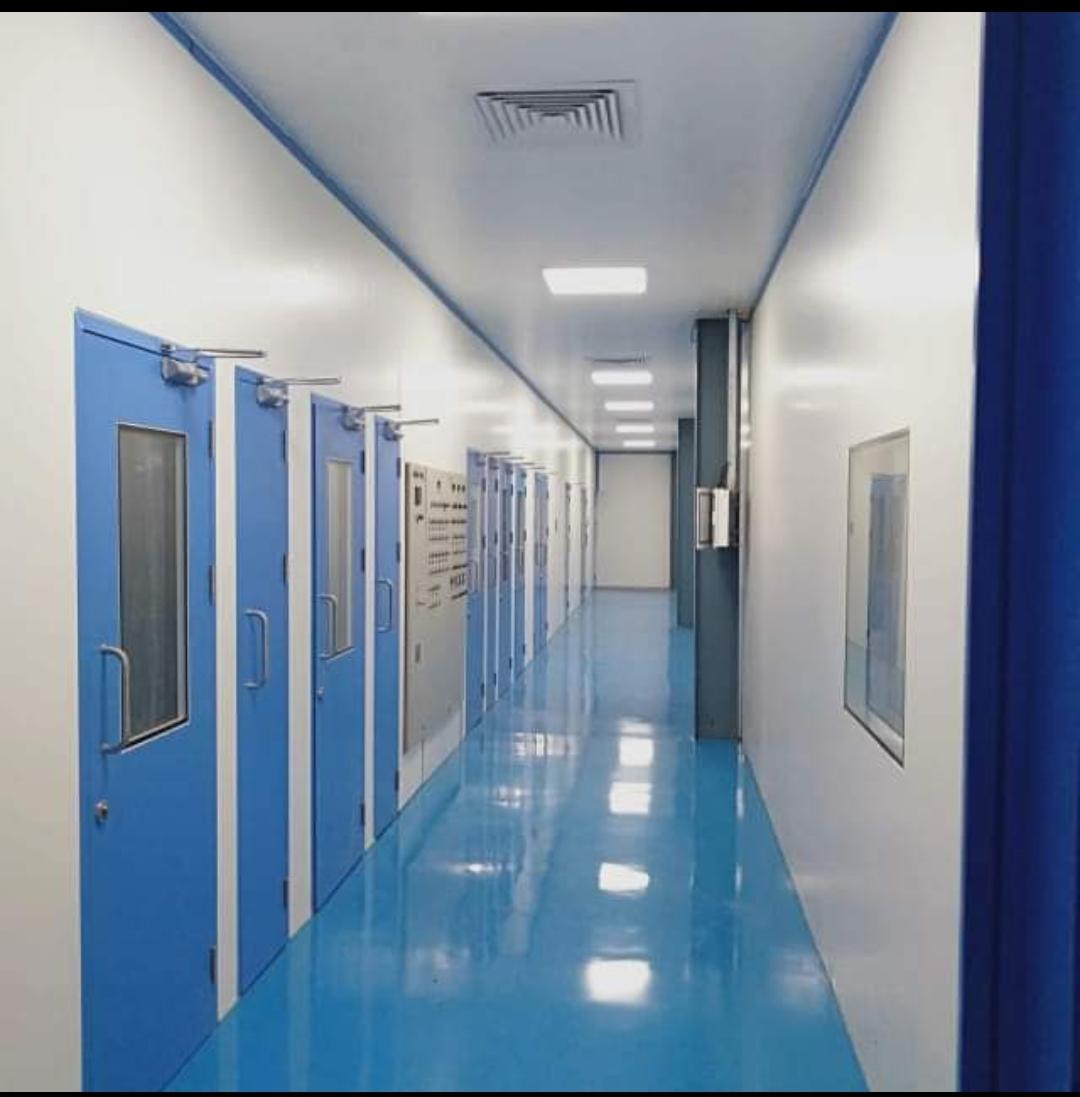
Maintaining a clean room is no small task. With strict standards for cleanliness, temperature, and air quality, even routine maintenance requires precision and care. Over time, facility managers have looked for smarter ways to make upkeep easier, safer, and more efficient.
One solution that’s making a big difference? Walk-on ceilings.
Let’s explore how these innovative structures are changing the game when it comes to clean room maintenance.
What Exactly Are Walk-on Ceilings?
Walk-on ceilings are exactly what they sound like—specialized ceiling systems built strong enough to support the weight of maintenance personnel and equipment. Unlike traditional suspended ceilings, these are engineered with reinforced panels, robust framing, and non-slip surfaces to create a safe platform for workers.
In clean room facilities, where frequent access to overhead systems like HVAC units, lighting fixtures, and ducting is necessary, walk-on ceilings have become an invaluable asset.
1. Easier, Safer Access to Critical Systems
Without walk-on ceilings, accessing equipment above the clean room usually means setting up scaffolding or using lifts—both of which can disrupt operations and increase contamination risks. Walk-on ceilings eliminate the need for such heavy equipment. Maintenance teams can simply step onto the ceiling surface and reach what they need, saving time and reducing hassle.
Plus, with built-in safety features like anti-slip finishes and load-tested designs, the risk of accidents is significantly lower.
2. Minimizing Downtime
In facilities like pharmaceutical plants, semiconductor manufacturing, or hospitals, downtime is costly. Every minute a clean room is out of commission impacts production schedules and revenue. Walk-on ceilings allow maintenance teams to perform inspections, repairs, and upgrades much faster without needing to shut down large sections of the facility. As a result, downtime is minimized, and operations continue smoothly.
3. Better Protection for the Clean Room Environment
Traditional maintenance methods often involve bringing tools, lifts, or ladders inside the clean room space, which can introduce contaminants. Walk-on ceilings allow maintenance work to happen above the clean room, preserving the integrity of the controlled environment. Workers stay out of the critical areas, and any maintenance debris remains on the non-classified side of the facility.
This separation is key for industries that require strict adherence to ISO or GMP cleanroom classifications.
4. Improved Long-Term Cost Efficiency
While the initial investment in walk-on ceilings may be higher compared to conventional ceiling systems, the long-term savings are significant. Easier maintenance access reduces labor costs, minimizes the need for expensive cleaning or re-certification after maintenance work, and extends the life of overhead systems.
In short, walk-on ceilings are not just a feature—they’re a strategic investment that pays off over the life of the facility.
5. Enhancing Facility Design Flexibility
Walk-on ceilings also provide more flexibility during facility upgrades or expansions. Need to add new air handling units, lighting, or ductwork? It’s much simpler when you already have a walkable platform in place. Future-proofing your facility becomes much easier with this kind of smart design choice.
Final Thoughts
As cleanroom technology continues to advance, facility managers are seeking smarter ways to ensure maintenance is safer, faster, and more cost-effective. Walk-on ceilings offer all these benefits— and more.
By allowing easy access to critical systems without compromising the sterile environment, walk-on ceilings help maintain high operational standards with improved efficiency.
If you’re planning a new cleanroom or upgrading an existing one, walk-on ceilings from AUM Industries are a smart, future-ready choice.
AUM Industries – Pioneering turnkey cleanroom solutions with precision and performance.
Add a Comment