
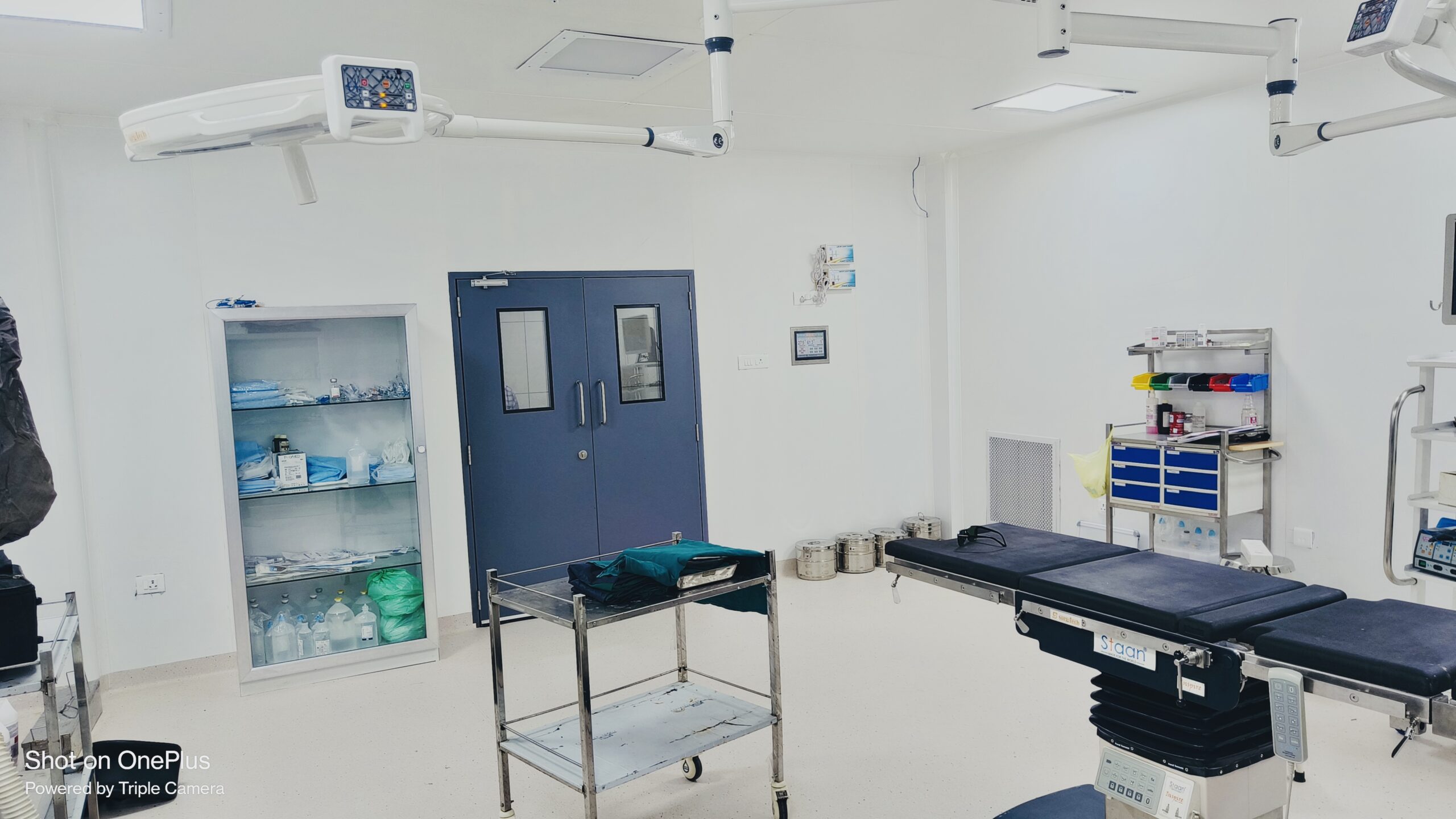
Cleanrooms are designed to maintain strict control over airborne particles, temperature, humidity, and pressure. However, even a well-intentioned cleanroom project can fail if critical design aspects are overlooked. Poor planning at the design stage often leads to contamination risks, regulatory non-compliance, higher maintenance costs, and operational downtime.
Below are the most common cleanroom design mistakes that can compromise contamination control—and how to avoid them.
1. Improper Airflow and HVAC Planning
Airflow is the backbone of contamination control in cleanrooms. Incorrect placement of Air Handling Units (AHUs), insufficient air changes, or poorly designed laminar airflow can cause particles to remain suspended instead of being removed.
A cleanroom must be designed with a clear understanding of airflow direction, room classification, and process requirements. Without this, even high-quality filters cannot perform effectively.
2. Poor Zoning and Pressure Differentials
One of the most critical mistakes is failing to define proper zoning between clean, semi-clean, and non-clean areas. Incorrect pressure cascades allow contaminated air to move into controlled spaces, increasing the risk of cross-contamination.
Maintaining correct positive or negative pressure levels between rooms is essential for pharmaceutical, healthcare, and research environments.
3. Inappropriate Material Selection
Using materials that are not cleanroom-compatible can severely impact hygiene. Porous surfaces, rough finishes, or non-sealed panels collect dust, moisture, and microbes, making cleaning difficult.
Cleanroom interiors should use smooth, non-porous materials such as cleanroom partitions, flush doors, seamless flooring, and aluminium coving to support easy cleaning and long-term durability.
4. Gaps, Joints, and Poor Sealing
Small gaps around panels, doors, ceilings, or flooring are often underestimated. These joints become hidden contamination traps and are difficult to sanitize properly.
A well-designed cleanroom must focus on seamless construction, airtight sealing, and precision-engineered joints to eliminate dust accumulation points.
5. Ignoring Workflow and Future Scalability
Designing a cleanroom without considering personnel movement, material flow, and future expansion can reduce efficiency and increase contamination risks. Poor layouts often lead to unnecessary cross-movement and operational bottlenecks.
Modular cleanroom designs offer flexibility, allowing facilities to scale or upgrade without major reconstruction.
Why Expert Cleanroom Design Matters
Cleanroom contamination control starts long before installation—it begins at the design stage. Working with experienced cleanroom specialists ensures proper integration of HVAC systems, interiors, airflow management, and regulatory compliance.
At AUM Industries, we provide end-to-end turnkey cleanroom solutions that are precision-engineered for hygiene, efficiency, and long-term performance.
Final Thoughts
Avoiding these common cleanroom design mistakes helps ensure contamination control, regulatory compliance, and operational reliability. Investing in expert design and modular solutions today prevents costly corrections tomorrow.
Add a Comment