
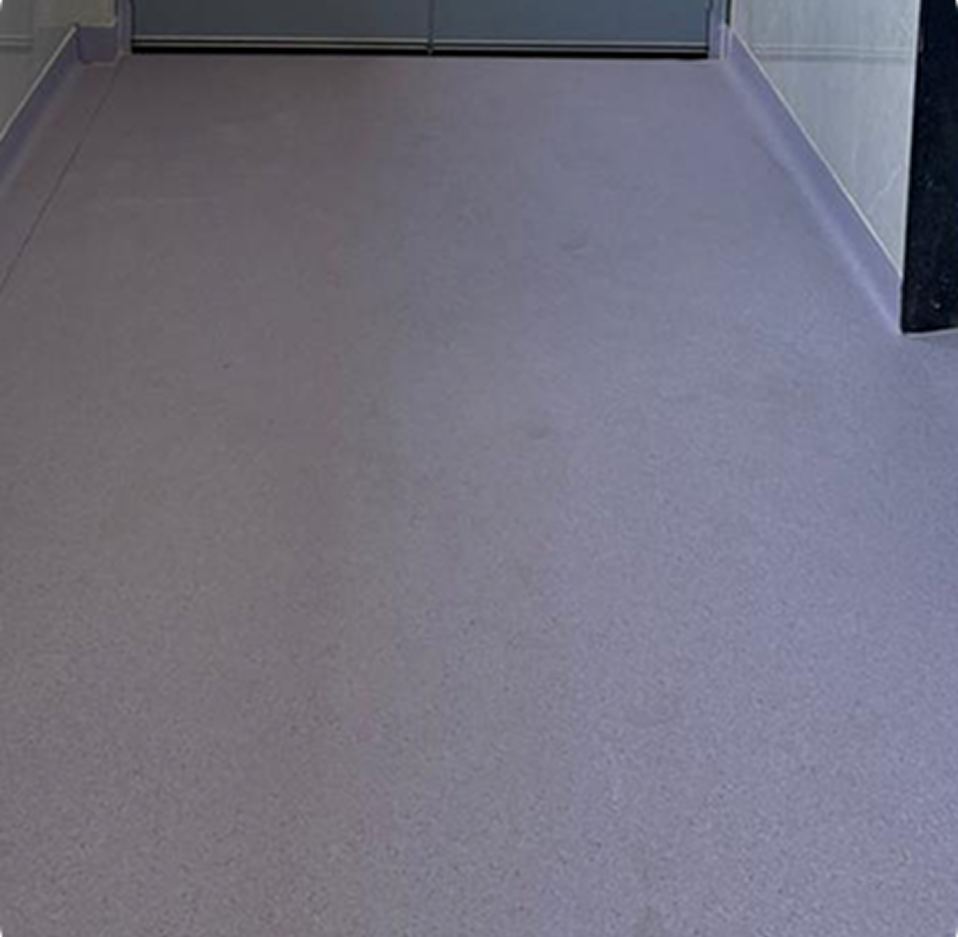
Flooring is one of the most influential elements in clean room performance. It directly affects contamination control, hygiene, durability, and long-term compliance. In pharmaceuticals, hospitals, biotech labs, and high-precision manufacturing, the choice between Vinyl Flooring and Epoxy Flooring can significantly impact efficiency and audit readiness. Although both are widely used in controlled environments, their suitability differs based on industry requirements and operational load.
What Clean Rooms Really Need in Flooring
A clean room floor must provide a smooth and non-porous surface that does not harbour contaminants. It should be easy to sanitize, chemically resistant, durable under continuous foot traffic, and capable of supporting equipment without deformation. Both vinyl and epoxy meet these hygiene and performance needs, but the way they behave in real-world conditions varies.
Vinyl Flooring: Features, Performance, and Ideal Applications
Vinyl flooring is made from PVC and usually installed in sheet form to create a hygienic and seamless finish. Its smooth surface makes cleaning easy, and its mild cushioning provides comfort for staff who stand for long periods, especially in pharma production zones and hospital ICUs. Vinyl also handles disinfectants well and does not deteriorate when exposed to routine cleaning chemicals.
One of vinyl’s biggest advantages is its fast installation. Clean room projects that require minimum downtime often prefer vinyl because it enables quicker commissioning. In addition, vinyl is available in ESD (electrostatic dissipative) variants, making it a suitable choice for electronics, diagnostics, and medical device assembly areas.
However, vinyl is not the best choice for heavy machinery environments. Strong point loads can leave dents, and improperly welded seams may create gaps over time. For clean rooms with medium operational load, light equipment, or high traffic but low mechanical stress, vinyl is extremely efficient.
Epoxy Flooring: Features, Performance, and Ideal Applications
Epoxy flooring is a resin-based solution that forms a hard, seamless surface once cured. It offers superior durability compared to vinyl, making it ideal for clean rooms where equipment, trolleys, and heavy machinery constantly move across the floor. Its high chemical resistance also makes it suitable for environments dealing with solvents, acids, or aggressive cleaning cycles.
A major benefit of epoxy is its completely joint-free look. Since there are no seams or welding points, the risk of microbial accumulation is minimal. This makes epoxy popular in high-class clean rooms, bulk drug production units, and chemical research labs where contamination control is extremely strict.
While epoxy delivers long-term strength, its installation demands more time and skill. The substrate must be prepared correctly, and the curing process may take several days. This can extend the project timeline, but for facilities looking for a flooring system that lasts more than a decade, epoxy becomes the stronger investment.
Vinyl vs Epoxy: Practical Differences
Vinyl offers a softer and more comfortable surface, quick installation, and strong hygiene performance. It works best in hospitals, diagnostics, and pharmaceutical rooms where durability needs are moderate. Epoxy, on the other hand, provides a harder and more industrial-grade finish designed to withstand significant load, chemical exposure, and constant activity. It is more suitable for heavy pharma, APIs, chemical labs, and advanced manufacturing clean rooms.
Which One Should You Choose?
The right flooring depends entirely on the type of clean room you are building. Vinyl is ideal when comfort, aesthetics, and faster installation matter. Epoxy is the better choice when long-term durability, seamlessness, and high chemical resistance are the priorities. Both are compliant with GMP and ISO standards, but their performance differs based on the environment.
Conclusion
Both vinyl and epoxy flooring deliver excellent clean room compatibility, yet their strengths lie in different operational needs. Choosing the right flooring ensures better contamination control, smoother audits, and a longer infrastructure life cycle.
AUM Industries offers both solutions—Vinyl, Epoxy, ESD, and Anti-bacterial flooring—designed for hospitals, pharmaceuticals, labs, and turnkey clean room projects. Our team can assess your environment and recommend the flooring that aligns perfectly with your process, safety standards, and budget.
Add a Comment