
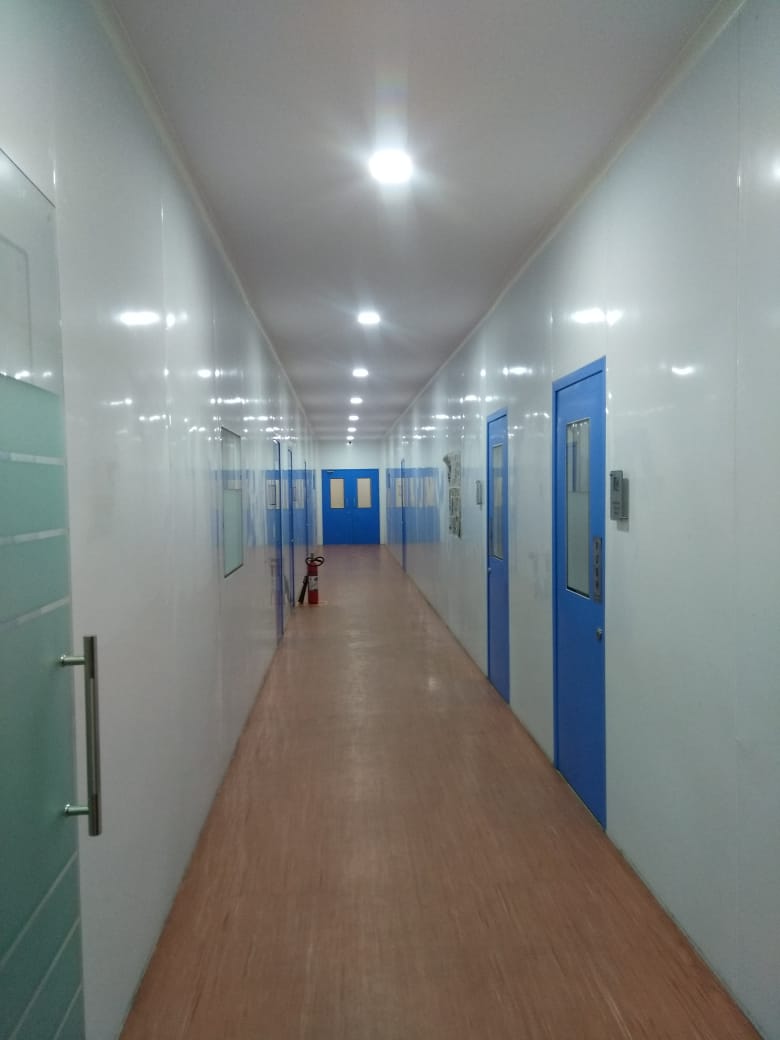
Lighting plays a crucial role in maintaining the efficiency, safety, and hygiene of cleanroom environments. In industries such as pharmaceuticals, healthcare, biotechnology, electronics, and medical device manufacturing, every component inside a cleanroom must meet strict standards — including lighting systems.
Traditional lighting solutions often fail to meet the specialized requirements of controlled environments. This is why LED lighting has become the preferred choice for modern cleanroom facilities. From energy efficiency to contamination control, LED cleanroom lights offer multiple advantages that support high-performance operations.
What Makes Cleanroom Lighting Different?
Cleanrooms are carefully controlled environments designed to minimize airborne particles, contamination, and microbial growth. Standard lighting systems may release heat, attract dust, or create maintenance challenges that can interfere with cleanroom operations.
Cleanroom lighting systems are specifically designed to:
- Prevent particle accumulation
- Maintain proper illumination levels
- Reduce contamination risks
- Withstand frequent cleaning and sanitization
- Support energy-efficient operations
LED lighting successfully meets these requirements while offering additional operational benefits.
Key Reasons LED Lighting Is Preferred in Cleanroom Facilities
1. Energy Efficiency
LED lights consume significantly less electricity compared to conventional fluorescent or halogen lighting systems. Since cleanrooms often operate 24/7, energy savings become a major advantage for industries aiming to reduce operational costs.
Benefits include:
- Lower power consumption
- Reduced electricity bills
- Improved sustainability
- Longer operational life
Energy-efficient infrastructure also supports environmentally responsible facility management.
2. Minimal Heat Generation
One of the biggest advantages of LED lighting is low heat emission. Traditional lights generate excessive heat, which can affect temperature-sensitive cleanroom environments.
Low heat generation helps:
- Maintain controlled room temperatures
- Reduce HVAC system load
- Improve cleanroom stability
- Support temperature-sensitive manufacturing processes
This is especially important in pharmaceutical and healthcare facilities where precise environmental control is essential.
3. Better Contamination Control
Cleanroom LED lights are designed with smooth, sealed surfaces that reduce dust accumulation and contamination risks.
Features often include:
- Flush-mounted installation
- Easy-to-clean surfaces
- Sealed housing designs
- Low particle emission
These characteristics help maintain ISO-standard cleanroom conditions.
4. Long Lifespan and Reduced Maintenance
Frequent maintenance inside cleanrooms can disrupt operations and increase contamination risks. LED lighting systems have a much longer lifespan compared to traditional lighting.
Advantages include:
- Fewer replacements
- Reduced maintenance downtime
- Lower operational interruptions
- Improved long-term reliability
Reduced maintenance also helps minimize unnecessary human movement inside controlled environments.
5. Superior Brightness and Visibility
Proper illumination is critical in environments where precision and accuracy are essential. LED cleanroom lighting provides bright, uniform illumination without flickering.
This improves:
- Worker visibility
- Operational accuracy
- Inspection quality
- Safety within the facility
Consistent lighting is especially important in operation theaters, laboratories, and pharmaceutical production areas.
6. Environmentally Friendly Solution
LED lights are considered eco-friendly because they:
- Consume less energy
- Produce less waste
- Do not contain harmful mercury
- Support sustainable infrastructure goals
Modern industries increasingly prefer sustainable solutions that improve efficiency while reducing environmental impact.
Applications of LED Lighting in Cleanroom Facilities
LED cleanroom lights are commonly used in:
- Pharmaceutical manufacturing units
- Modular operation theaters
- Laboratories and research facilities
- Biotechnology industries
- Electronics manufacturing
- Hospital ICUs and healthcare spaces
- Medical device production facilities
Their versatility and performance make them suitable for a wide range of controlled environments.
Factors to Consider When Choosing Cleanroom LED Lighting
Before selecting LED lighting for cleanrooms, industries should consider:
- ISO compliance standards
- IP protection ratings
- Brightness requirements
- Energy efficiency ratings
- Installation compatibility
- Easy maintenance design
- Cleanability and sealing quality
Choosing the right lighting system helps maintain long-term operational efficiency and hygiene standards.
Final Thoughts
LED lighting has transformed modern cleanroom infrastructure by offering energy efficiency, contamination control, reduced maintenance, and superior illumination. As industries continue to prioritize hygiene, sustainability, and operational performance, LED cleanroom lighting remains the preferred solution for controlled environments.
Investing in high-quality cleanroom LED lighting not only improves productivity but also supports safer, cleaner, and more efficient facility operations.
Add a Comment