
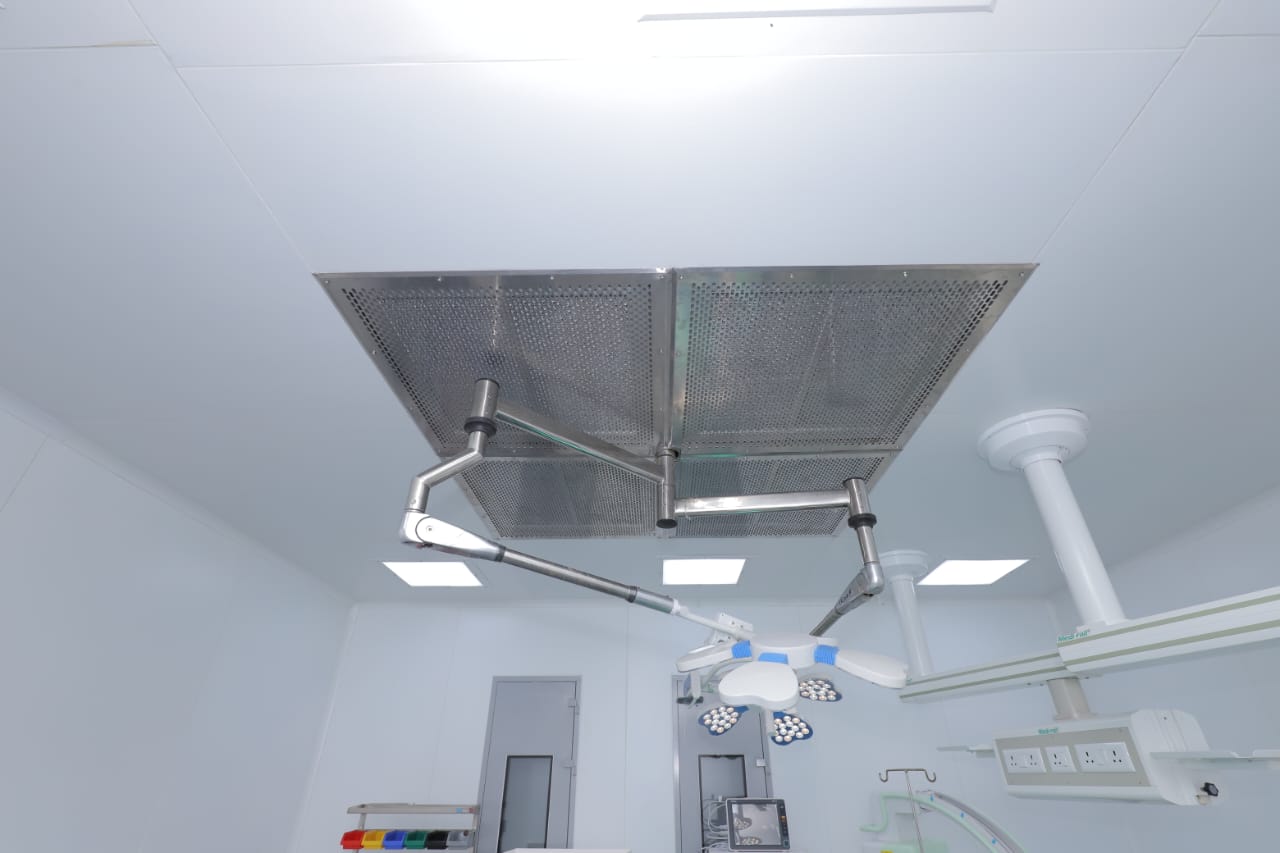
In environments where cleanliness and sterility are critical, controlling airborne contamination is essential. Industries such as healthcare, pharmaceuticals, biotechnology, and laboratories rely heavily on advanced air management systems to maintain contamination-free spaces. One of the most effective technologies used for this purpose is the Laminar Air Flow (LAF) system.
Laminar Air Flow systems are designed to create a controlled airflow environment that minimizes the presence of airborne particles, bacteria, and contaminants. These systems play a major role in maintaining sterile conditions in Modular Operation Theatres (OTs), cleanrooms, laboratories, and pharmaceutical manufacturing units.
What Is Laminar Air Flow?
Laminar Air Flow is a specialized ventilation system that moves filtered air uniformly in a single direction at a constant speed. The main purpose of the system is to prevent contaminated air from circulating within sensitive environments.
Unlike normal airflow, which creates turbulence and spreads particles randomly, laminar airflow ensures that clean air continuously pushes contaminants away from the critical working area.
How Laminar Air Flow Works
A Laminar Air Flow system operates using:
- HEPA Filters (High-Efficiency Particulate Air Filters)
- Blowers or fans
- Controlled airflow design
The system pulls surrounding air through HEPA filters that remove microscopic particles, dust, bacteria, and airborne contaminants. The purified air is then distributed evenly across the room or workspace in parallel airflow patterns.
This controlled airflow prevents contaminated particles from settling on surfaces, surgical instruments, medicines, or sensitive equipment.
Role of HEPA Filters in Contamination Control
HEPA filters are one of the most important components of a Laminar Air Flow system. These filters are capable of trapping:
- Dust particles
- Microorganisms
- Bacteria
- Airborne pathogens
- Fine contaminants
HEPA filters typically remove up to 99.97% of particles as small as 0.3 microns, helping maintain highly sterile environments.
Types of Laminar Air Flow Systems
Horizontal Laminar Air Flow
In this system, clean air moves horizontally from the back of the unit toward the operator.
Common Applications
- Laboratories
- Electronics manufacturing
- Research facilities
Vertical Laminar Air Flow
Here, filtered air flows vertically from the ceiling downward toward the floor.
Common Applications
- Modular Operation Theatres
- Pharmaceutical cleanrooms
- Sterile healthcare environments
Vertical systems are widely preferred in hospitals because they help prevent airborne contamination around surgical areas.
Importance of Laminar Air Flow in Hospitals
Hospitals and surgical centers require extremely sterile conditions to reduce the risk of infections. Laminar Air Flow systems are essential in:
- Modular Operation Theatres
- Intensive Care Units (ICUs)
- Emergency rooms
- Sterile processing departments
By continuously supplying filtered air, these systems help reduce airborne bacteria and improve infection control during surgeries and medical procedures.
Benefits of Laminar Air Flow Systems
1. Reduces Airborne Contamination
The system continuously removes harmful particles and maintains clean air quality.
2. Improves Infection Control
In healthcare environments, Laminar Air Flow helps reduce the spread of bacteria and surgical site infections.
3. Maintains Sterile Environment
It supports sterile conditions required for pharmaceutical manufacturing and critical medical applications.
4. Enhances Product Safety
In pharma industries, clean airflow protects medicines and products from contamination during production.
5. Supports ISO & GMP Compliance
Laminar Air Flow systems help facilities comply with international cleanroom and pharmaceutical standards.
Applications of Laminar Air Flow
Laminar Air Flow systems are widely used in:
- Modular Operation Theatres
- Cleanrooms
- Pharmaceutical manufacturing plants
- Biotechnology labs
- Research laboratories
- Electronics industries
- Food processing industries
Why Laminar Air Flow Is Important in Modular OT
In Modular Operation Theatres, maintaining a sterile surgical zone is crucial. Laminar Air Flow systems help by:
- Controlling airborne bacteria
- Reducing infection risk
- Maintaining positive pressure
- Improving air circulation
- Enhancing patient safety
These systems are considered an important part of modern hospital infrastructure.
Choosing the Right Laminar Air Flow System
Before selecting a system, consider:
- Room size
- Air change requirements
- HEPA filter quality
- Air velocity
- ISO cleanroom standards
- Maintenance requirements
A professionally designed system ensures maximum efficiency and long-term contamination control.
Conclusion
Laminar Air Flow systems play a vital role in controlling airborne contamination in hospitals, cleanrooms, and pharmaceutical facilities. By delivering continuously filtered air in a controlled direction, these systems help maintain sterile environments, improve infection control, and protect sensitive operations from contamination risks.
As healthcare and pharmaceutical industries continue to prioritize safety and hygiene, Laminar Air Flow technology remains an essential solution for modern cleanroom and Modular OT infrastructure.
Looking for Laminar Air Flow & Cleanroom Solutions?
AUM Industries specializes in:
- Modular OT Solutions
- Cleanroom Turnkey Projects
- Laminar Air Flow Systems
- AHU & HVAC Solutions
- Hospital Infrastructure
- Pharma Cleanroom Setup
Contact our team for advanced sterile infrastructure solutions tailored to your project requirements.
Add a Comment