
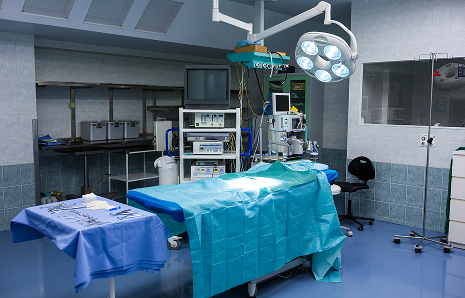
In industries like pharmaceuticals, healthcare, biotechnology, electronics, and medical device manufacturing, maintaining a contamination-free environment is critical. Even the smallest particles, microbes, or airborne contaminants can compromise product quality, patient safety, and operational efficiency. This is where cleanrooms play a vital role.
However, contamination can still occur if proper systems, protocols, and infrastructure are not maintained. Understanding the common sources of contamination and learning how to prevent them is essential for every facility operating in controlled environments.
What is Cleanroom Contamination?
Cleanroom contamination refers to the presence of unwanted particles, microorganisms, dust, vapors, or pollutants inside a controlled environment. These contaminants can affect manufacturing processes, damage sensitive products, and lead to regulatory compliance issues.
Contamination may be visible or microscopic, but even invisible particles can create serious risks in pharmaceutical and healthcare facilities.
Common Sources of Cleanroom Contamination
1. Human Contamination
Humans are considered the largest source of contamination in cleanrooms. Skin flakes, hair, sweat, cosmetics, respiratory droplets, and clothing fibers continuously release particles into the environment.
Prevention Methods:
- Use proper cleanroom garments and PPE kits
- Follow strict gowning procedures
- Minimize unnecessary movement inside the cleanroom
- Train staff regularly on contamination control
- Install hand sanitization and air shower systems
2. Airborne Particles
Dust, microbes, and airborne pollutants can enter through ventilation systems, door openings, or poorly filtered air circulation.
Prevention Methods:
- Install high-efficiency HEPA or ULPA filters
- Maintain positive air pressure
- Use Laminar Air Flow systems for sterile zones
- Regularly monitor air quality and particle counts
- Ensure proper HVAC and AHU maintenance
3. Improper Material Transfer
Materials entering or exiting the cleanroom can introduce contamination if not handled properly.
Prevention Methods:
- Use Pass Boxes for material transfer
- Sanitize all incoming materials
- Separate clean and dirty movement pathways
- Implement strict material handling SOPs
4. Poor Cleaning Practices
Inadequate cleaning or using improper cleaning agents can allow contaminants to accumulate over time.
Prevention Methods:
- Use approved cleanroom cleaning chemicals
- Follow scheduled cleaning protocols
- Train housekeeping staff specifically for cleanroom maintenance
- Use lint-free wipes and mops
5. Equipment Contamination
Machines and equipment can generate particles due to friction, wear, vibration, or improper maintenance.
Prevention Methods:
- Perform regular equipment servicing
- Use cleanroom-compatible equipment
- Lubricate moving parts carefully
- Conduct preventive maintenance inspections
6. Inadequate Flooring and Surface Materials
Traditional flooring or rough surfaces can trap dust, microbes, and moisture.
Prevention Methods:
- Install seamless epoxy or vinyl flooring
- Use smooth, non-porous wall panels
- Add aluminum coving for easy cleaning
- Avoid cracks, joints, and exposed edges
7. Cross-Contamination Between Areas
Different manufacturing zones may have varying cleanliness requirements. Improper segregation can spread contaminants.
Prevention Methods:
- Maintain pressure differentials between zones
- Design separate entry and exit pathways
- Use airlocks and hermetically sealed doors
- Clearly define clean and non-clean areas
8. Moisture and Humidity Issues
High humidity can encourage microbial growth and damage sensitive products.
Prevention Methods:
- Monitor humidity levels continuously
- Use dehumidification systems
- Maintain proper temperature controls
- Inspect HVAC systems regularly
Importance of Contamination Control in Cleanrooms
Effective contamination control ensures:
- Better product quality
- Improved patient safety
- Regulatory compliance
- Reduced production losses
- Enhanced operational efficiency
- Longer equipment lifespan
For pharmaceutical and healthcare facilities, contamination prevention is not just about cleanliness — it directly impacts safety, reliability, and trust.
Final Thoughts
Cleanroom contamination can arise from multiple sources, but with proper infrastructure, advanced air handling systems, strict protocols, and trained personnel, risks can be significantly reduced.
Modern cleanroom solutions such as modular cleanrooms, laminar airflow systems, pass boxes, cleanroom partitions, and specialized flooring play a crucial role in maintaining sterile and controlled environments.
Businesses investing in high-quality cleanroom infrastructure not only improve operational performance but also ensure compliance with industry standards and long-term reliability.
For advanced cleanroom and modular healthcare infrastructure solutions, connect with AUM Industries — delivering reliable turnkey solutions for pharmaceutical, healthcare, and industrial applications.
Add a Comment