
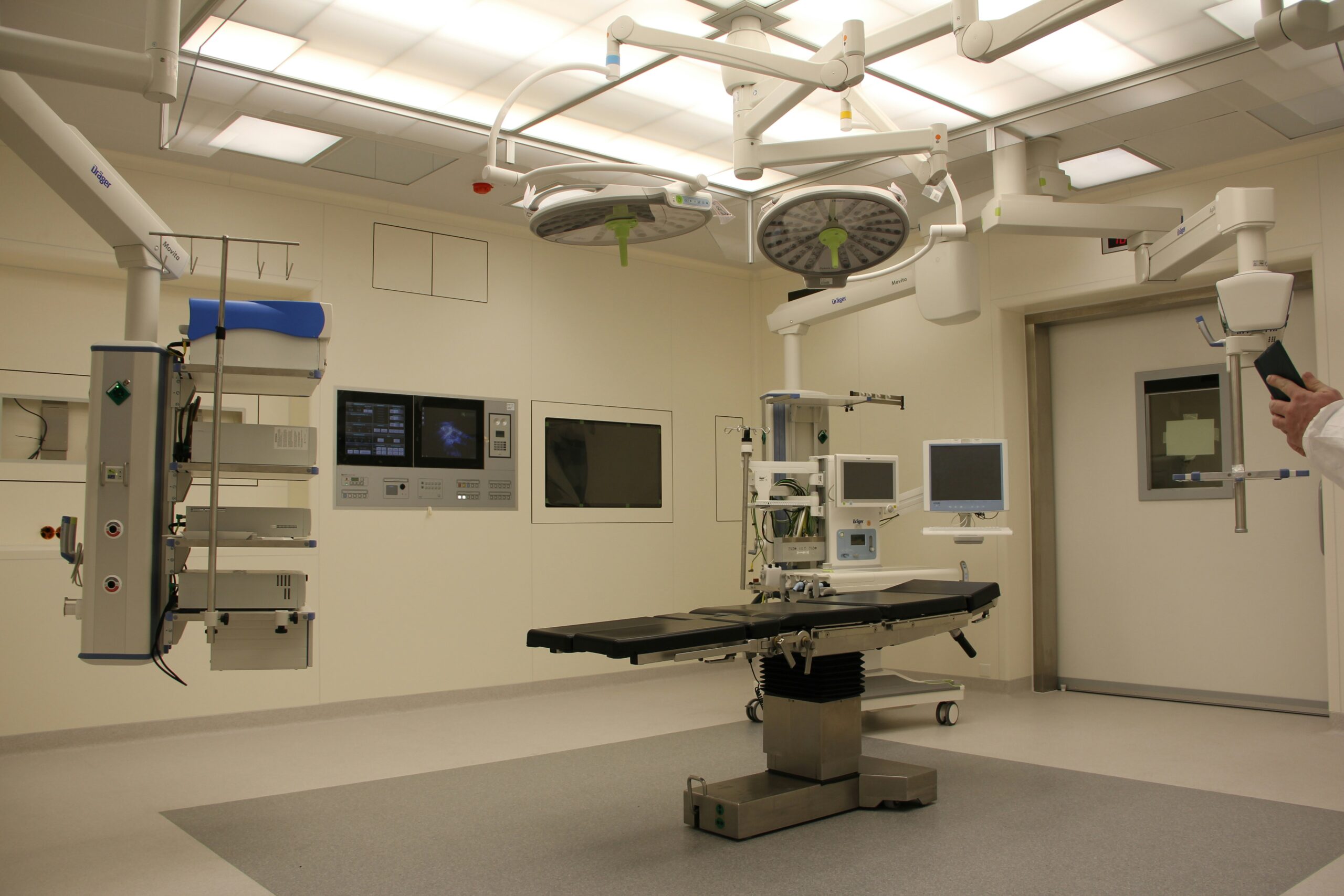
Taking on your first turnkey project can feel overwhelming—especially if you’re dealing with complex environments like cleanrooms, hospital ICUs, pharmaceutical labs, or industrial spaces. But the good news? With the right approach and a reliable partner, a turnkey solution can be one of the most efficient and stress-free ways to bring your vision to life.
If you’re new to the world of turnkey projects, here’s a simple, clear guide to help you get started with confidence.
What is a Turnkey Project?
A turnkey project is a complete solution where one company takes responsibility for the entire process—from design and material sourcing to construction, installation, and final handover. You get a “ready-to-use” facility without juggling multiple vendors, contractors, or technical headaches.
Why Choose a Turnkey Solution?
✅ Single Point of Contact
✅ Faster Execution
✅ Cost and Time Efficiency
✅ Reduced Risk
✅ Accountability from Start to Finish
Whether you’re setting up a cleanroom, hospital operation theater, or a controlled industrial unit, a turnkey approach simplifies the entire journey.
Key Steps to Plan Your First Turnkey Project
1. Define Your Requirements Clearly
Start by identifying:
- What kind of facility do you need? (Cleanroom, Modular OT, ICU, AHU system, etc.)
- What is the purpose or process the space will serve?
- What are your size, budget, and timeline constraints?
Having clarity here helps your turnkey provider craft a precise solution tailored to your needs.
2. Select the Right Partner
Look for a turnkey provider with:
- Industry-specific expertise
- In-house design, manufacturing, and installation teams
- Experience with regulatory compliance (GMP, ISO, NABH, etc.)
- Strong after-sales and support services
🔍 Tip: Ask to see past projects or client testimonials.
3. Plan for Compliance Early
In industries like pharmaceuticals or healthcare, compliance isn’t optional—it’s essential. Make sure your turnkey provider can meet the required standards from Day 1.
Common compliance considerations include:
- Cleanroom classifications
- Air handling systems
- Fire and safety regulations
- Sanitation and hygiene standards
4. Prioritize Quality Materials and Components
From cleanroom partitions and flush doors to walk-on ceilings and AHUs, the materials used can make or break the performance of your facility.
Ensure your provider uses:
- Durable, hygienic, and easy-to-clean materials
- Tested and certified equipment
- Energy-efficient and low-maintenance systems
5. Focus on Flexibility and Scalability
Your needs might grow or change—plan a layout that allows easy modifications or expansions in the future. Modular components and future-ready systems can save you time and money later.
6. Stay Involved, But Don’t Get Stressed
The best part of a turnkey project? You don’t have to micromanage. But staying involved through regular check-ins, progress reports, and site visits ensures you stay in the loop while the experts do the heavy lifting.
Final Thoughts
Starting your first turnkey project may seem like a big step—but with the right planning and the right partner, it can be a smooth, efficient, and rewarding experience. Whether you’re building a sterile cleanroom or setting up a new hospital OT, a turnkey approach saves time, reduces stress, and ensures quality delivery—all in one package.
Ready to bring your project to life the smart way?
Let AUM Industries be your trusted turnkey partner. Get in touch with us today!
Add a Comment