
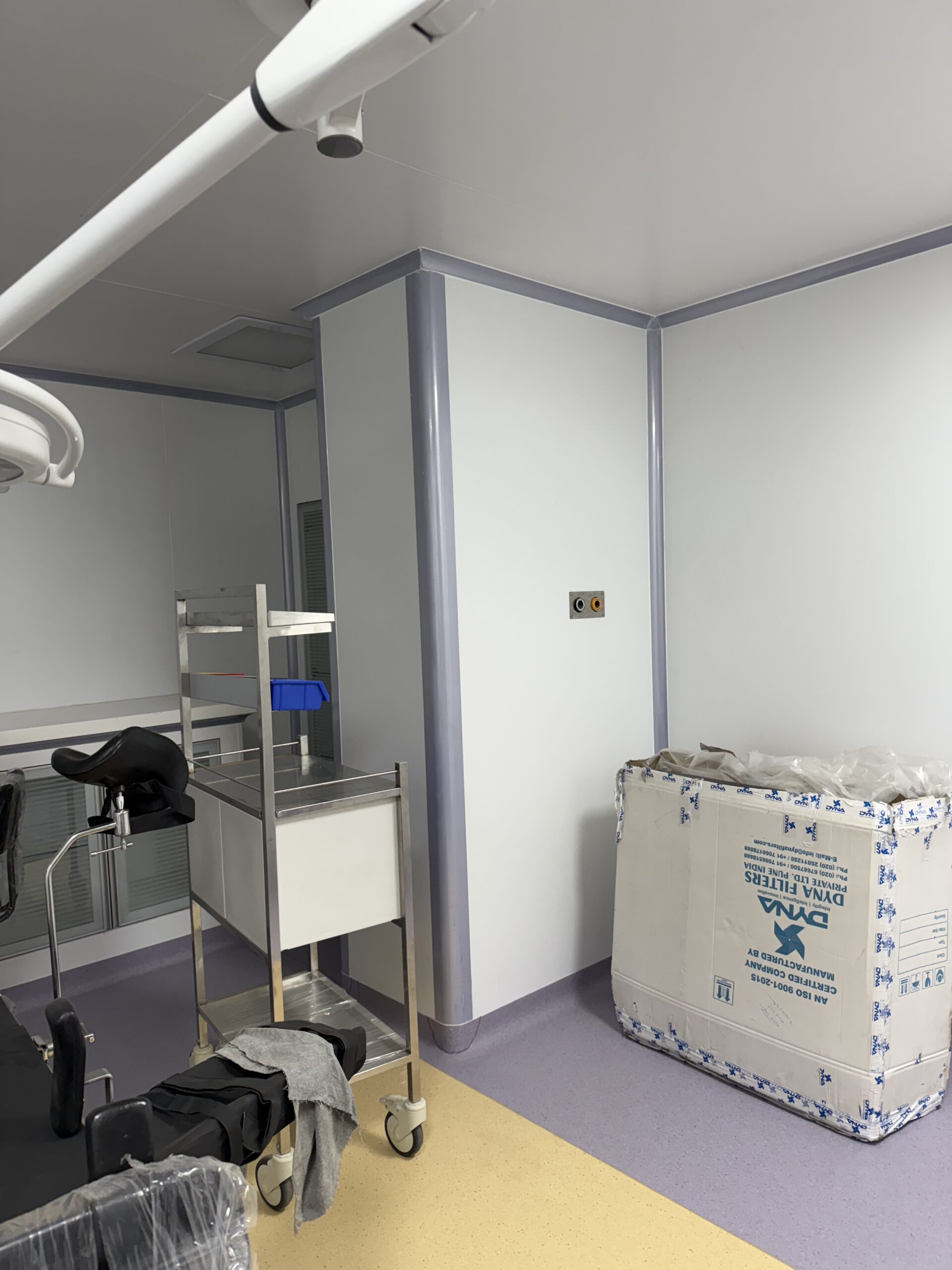
In pharmaceutical manufacturing units, modular operation theatres, ICUs, and sterile laboratories, contamination control is not just important — it is mandatory. While most discussions focus on HEPA filters, air handling units, and pressure differentials, one critical infrastructure element often goes unnoticed: aluminium coving.
Though it may appear to be a small finishing detail, aluminium coving plays a major role in ensuring hygiene, regulatory compliance, and long-term durability in clean room environments.
What Is Aluminium Coving?
Aluminium coving is a curved metal profile installed at the junction where walls meet floors — and sometimes ceilings — in clean rooms and controlled environments. Instead of a sharp 90-degree angle, coving creates a smooth, curved transition that eliminates dust-trapping corners.
This structural modification significantly improves cleanability and contamination control.
Why Sharp Corners Are a Risk in Clean Rooms
Traditional construction leaves sharp internal corners at wall-to-floor joints. These angles naturally collect dust, microbial particles, and chemical residue. Even with regular cleaning, such corners are difficult to sanitize completely.
In GMP-regulated pharmaceutical units and NABH-compliant hospitals, poorly finished corners can lead to audit observations and increased contamination risk. A smooth, sealed surface is essential to maintain sterile conditions.
Hygiene and Infection Control Advantages
Aluminium coving creates a seamless transition between surfaces, preventing microbial buildup. In modular OTs and ICUs, where infection prevention directly impacts patient safety, this design detail becomes crucial.
Because aluminium is non-porous and resistant to corrosion, it withstands repeated exposure to disinfectants without degrading. This ensures long-term hygiene performance even in high-frequency cleaning environments.
Compliance with Regulatory Standards
Regulatory bodies such as WHO-GMP, ISO clean room standards, and NABH guidelines require smooth, easy-to-clean surfaces without cracks or crevices.
Aluminium coving supports these requirements by:
Eliminating dust-collecting edges
Ensuring sealed wall-floor junctions
Maintaining structural integrity over time
Facilities lacking proper coving often face compliance challenges during inspections.
Seamless Integration with Clean Room Flooring
Aluminium coving integrates effectively with vinyl flooring, epoxy flooring, and anti-static systems. This creates a continuous, sealed finish that prevents moisture penetration and particle accumulation at the joint.
The result is not just improved hygiene, but also enhanced durability of both flooring and wall panels.
Durability and Long-Term Value
Compared to plaster finishes or PVC alternatives, aluminium offers superior mechanical strength and chemical resistance. It does not crack easily, warp under stress, or deteriorate from cleaning agents.
In pharmaceutical manufacturing plants and healthcare infrastructure projects, this translates into lower maintenance costs and longer service life — making it a practical investment rather than an optional add-on.
Engineering Precision in Controlled Environments
In contamination-controlled environments, there are no minor details. Every junction, surface, and material contributes to operational safety and compliance.
Aluminium coving ensures:
Better cleanability
Improved audit readiness
Reduced contamination risk
Enhanced infrastructure longevity
For clean room projects, modular OTs, and sterile production units, aluminium coving is not simply a finishing accessory — it is an engineering necessity.
Add a Comment