
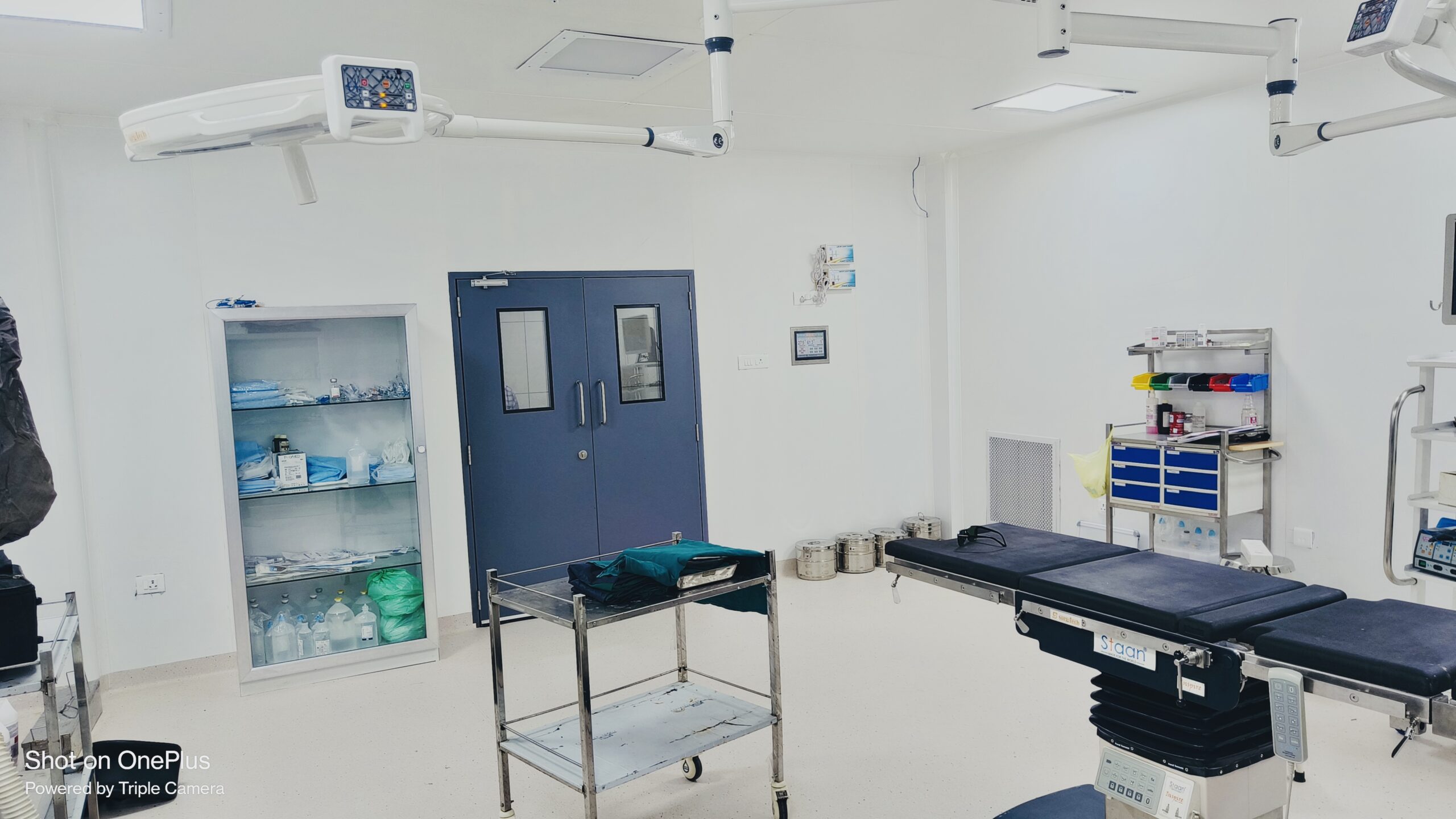
Pharmaceutical manufacturing demands absolute precision, hygiene, and compliance. Even the smallest contamination can compromise product quality, patient safety, and regulatory approval. This is why clean rooms are not optional—they are a regulatory and operational necessity for pharma manufacturing units.
A well-designed clean room ensures controlled environmental conditions, protects products from contamination, and supports compliance with global pharmaceutical standards.
What Is a Pharmaceutical Clean Room?
A pharmaceutical clean room is a controlled environment where airborne particles, temperature, humidity, pressure, and microbial contamination are strictly regulated. These rooms are designed to meet international standards such as GMP, WHO, and ISO classifications, depending on the nature of manufacturing activities.
From formulation and filling to packaging and testing, clean rooms play a critical role across every stage of pharmaceutical production.
Clean Room Classification Standards
Clean rooms are classified based on the number of airborne particles permitted per cubic meter of air. The most commonly followed standards include ISO 14644 and GMP classifications.
Higher-risk processes such as sterile filling and aseptic operations require higher-grade clean rooms, while secondary packaging may operate under lower classifications. Selecting the right class is essential for both compliance and cost efficiency.
Key Environmental Requirements
Pharmaceutical clean rooms must maintain consistent environmental control at all times. Air quality is managed through HEPA filtration systems that remove contaminants and maintain unidirectional airflow where required. Temperature and humidity are carefully regulated to prevent product degradation and microbial growth.
Pressure differentials are equally important. Clean rooms are designed with positive or negative pressure zones to prevent cross-contamination between areas of different cleanliness levels.
Clean Room Design & Layout Considerations
An efficient clean room layout supports smooth workflow, reduces contamination risks, and improves operational efficiency. Material and personnel movement must be clearly segregated, with airlocks and change rooms acting as transition zones.
Surfaces inside pharmaceutical clean rooms must be smooth, non-porous, and easy to clean. Wall panels, ceilings, doors, coving, and flooring are designed to eliminate dust accumulation and resist chemicals used in cleaning and disinfection.
HVAC & Air Handling Unit Requirements
The HVAC system is the backbone of any pharmaceutical clean room. Air Handling Units (AHUs) are designed to control air changes per hour, filtration levels, temperature, humidity, and pressure cascades.
A properly designed AHU ensures uniform airflow, minimizes contamination risk, and maintains regulatory compliance throughout continuous operations.
Compliance, Validation & Monitoring
Pharmaceutical clean rooms must undergo regular validation to ensure they meet required standards. This includes airflow testing, particle count testing, pressure validation, and filter integrity checks.
Continuous environmental monitoring systems help detect deviations in real time, ensuring corrective actions can be taken before product quality is affected.
Importance of Choosing the Right Clean Room Partner
Designing and executing a pharmaceutical clean room requires deep technical expertise and regulatory understanding. Errors in design or installation can lead to audit failures, production delays, and costly rework.
A turnkey clean room solution provider like AUM Industries ensures end-to-end execution—from design and material selection to installation, validation support, and long-term performance.
Conclusion
Clean room requirements for pharmaceutical manufacturing are complex, highly regulated, and critical to product safety. Investing in the right clean room design, infrastructure, and execution partner is essential for long-term success and regulatory confidence.
With expert planning and compliant execution, pharmaceutical manufacturers can achieve contamination-free production environments that meet both current and future industry standards.
Add a Comment